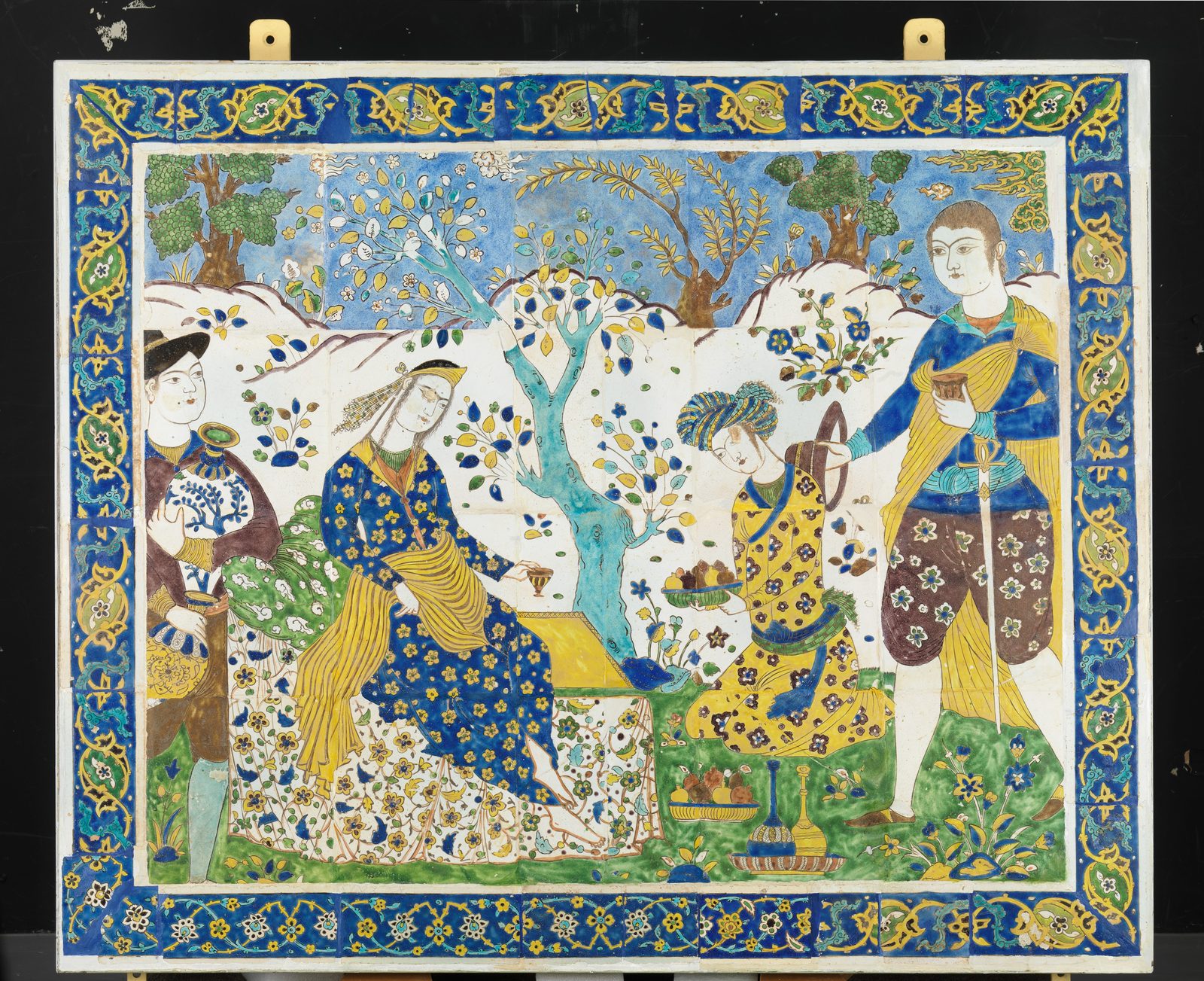
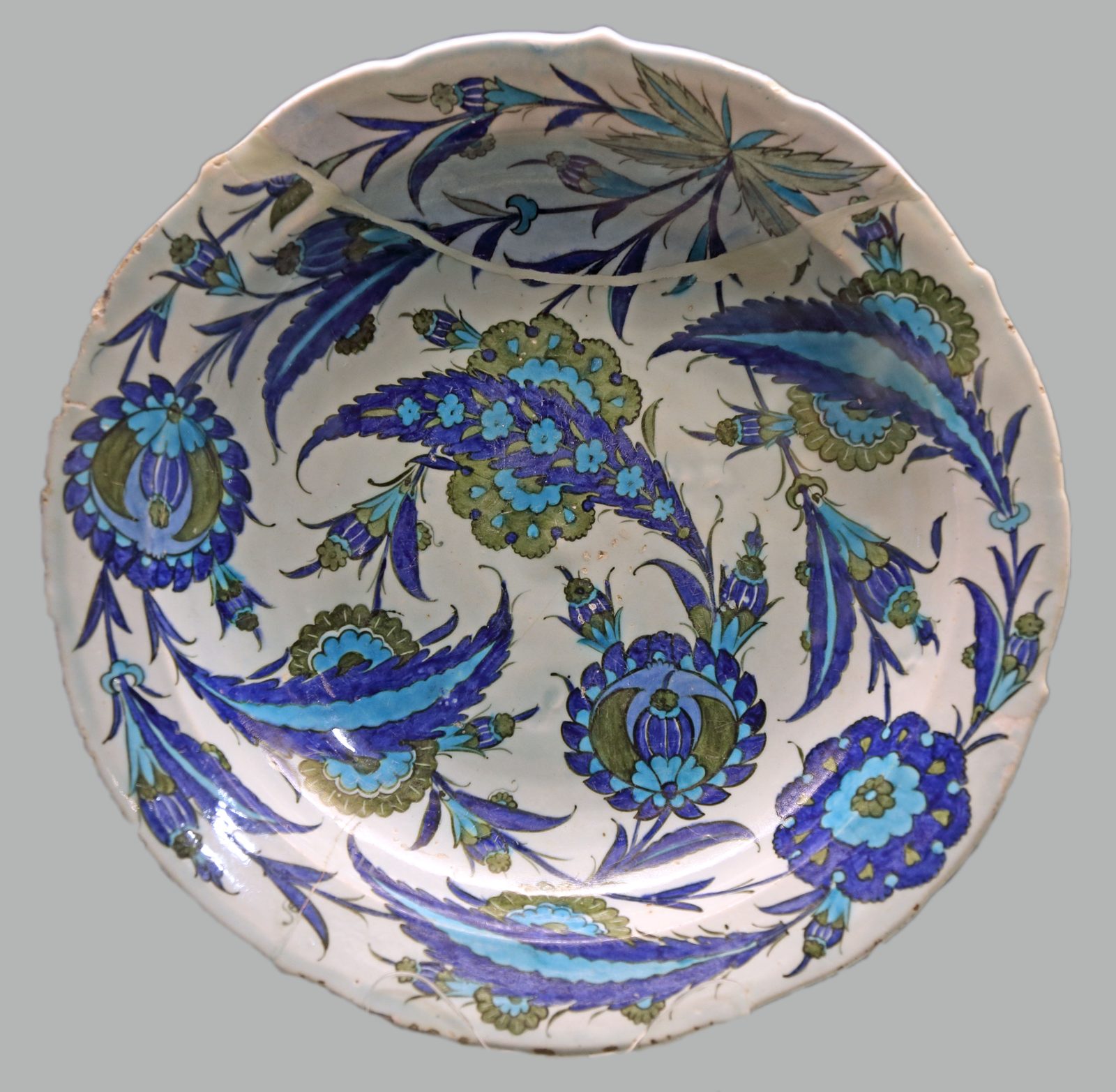
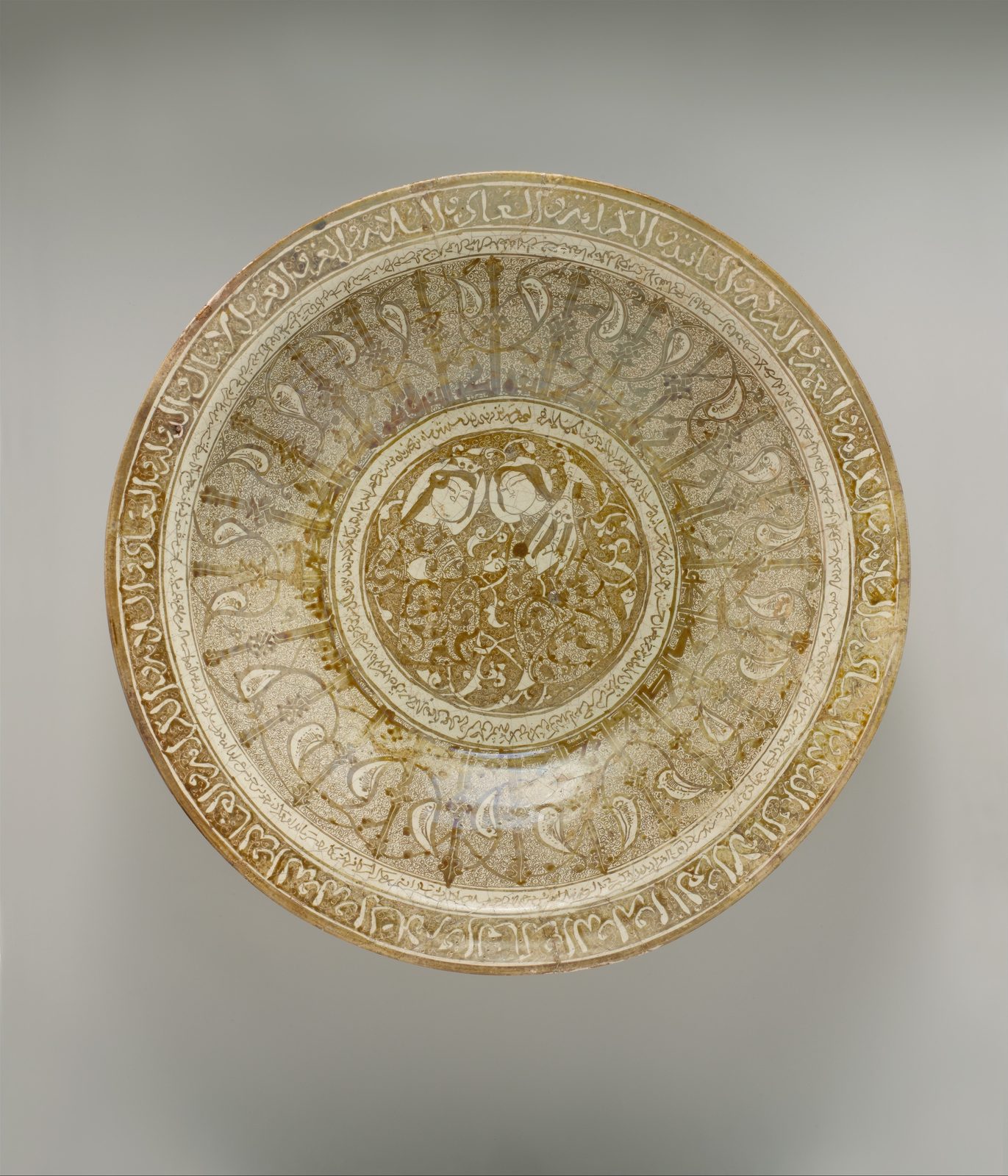
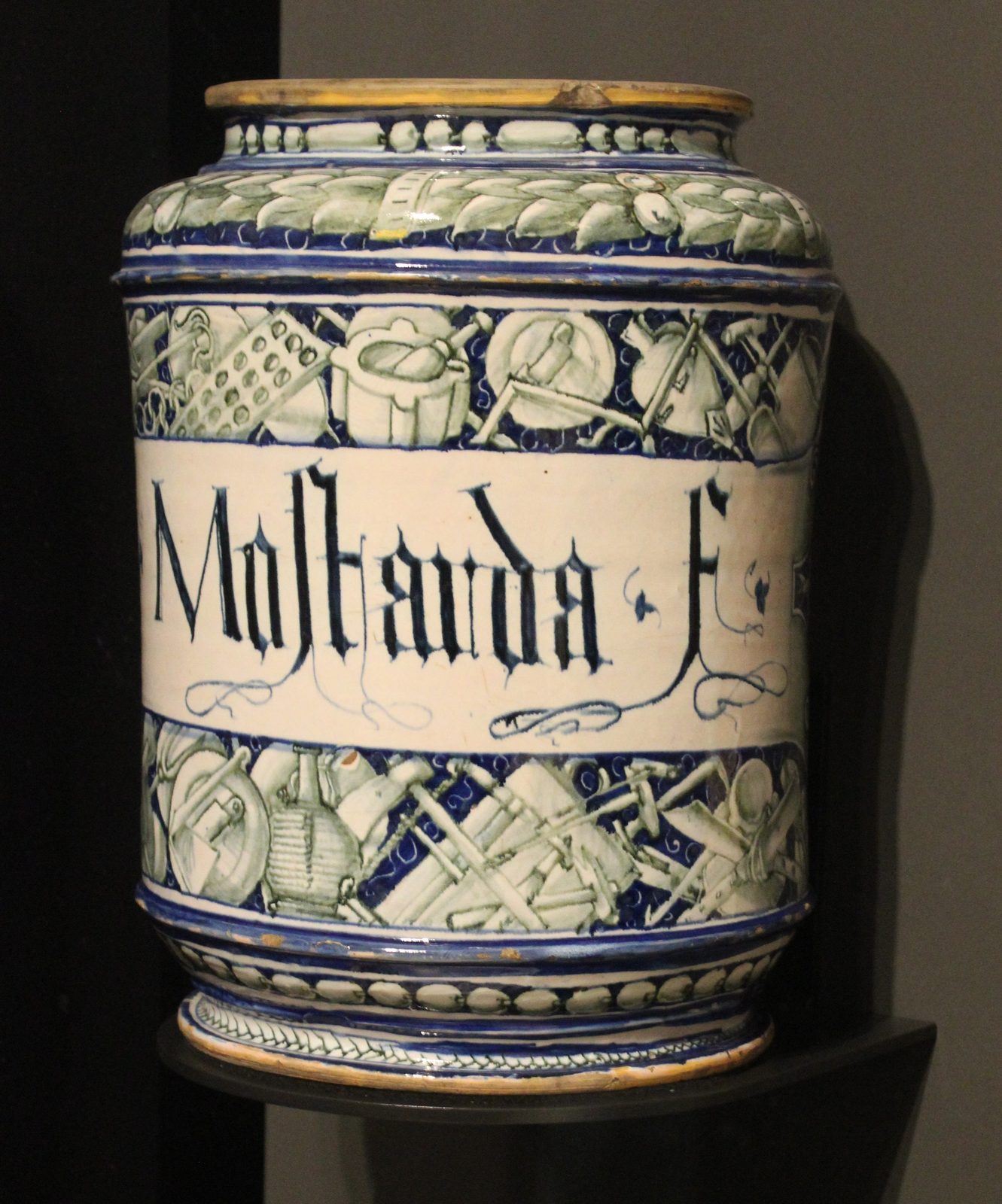
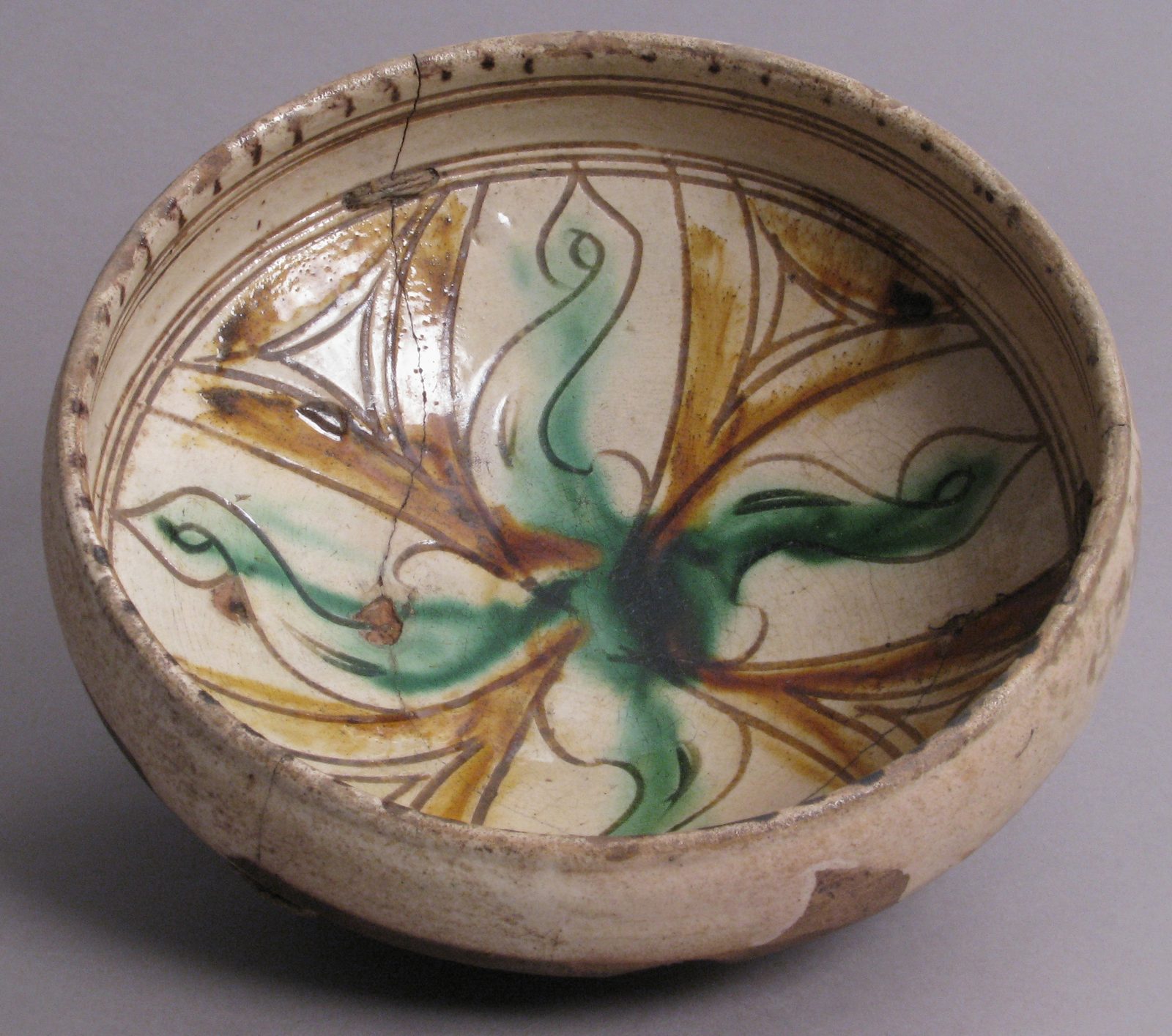
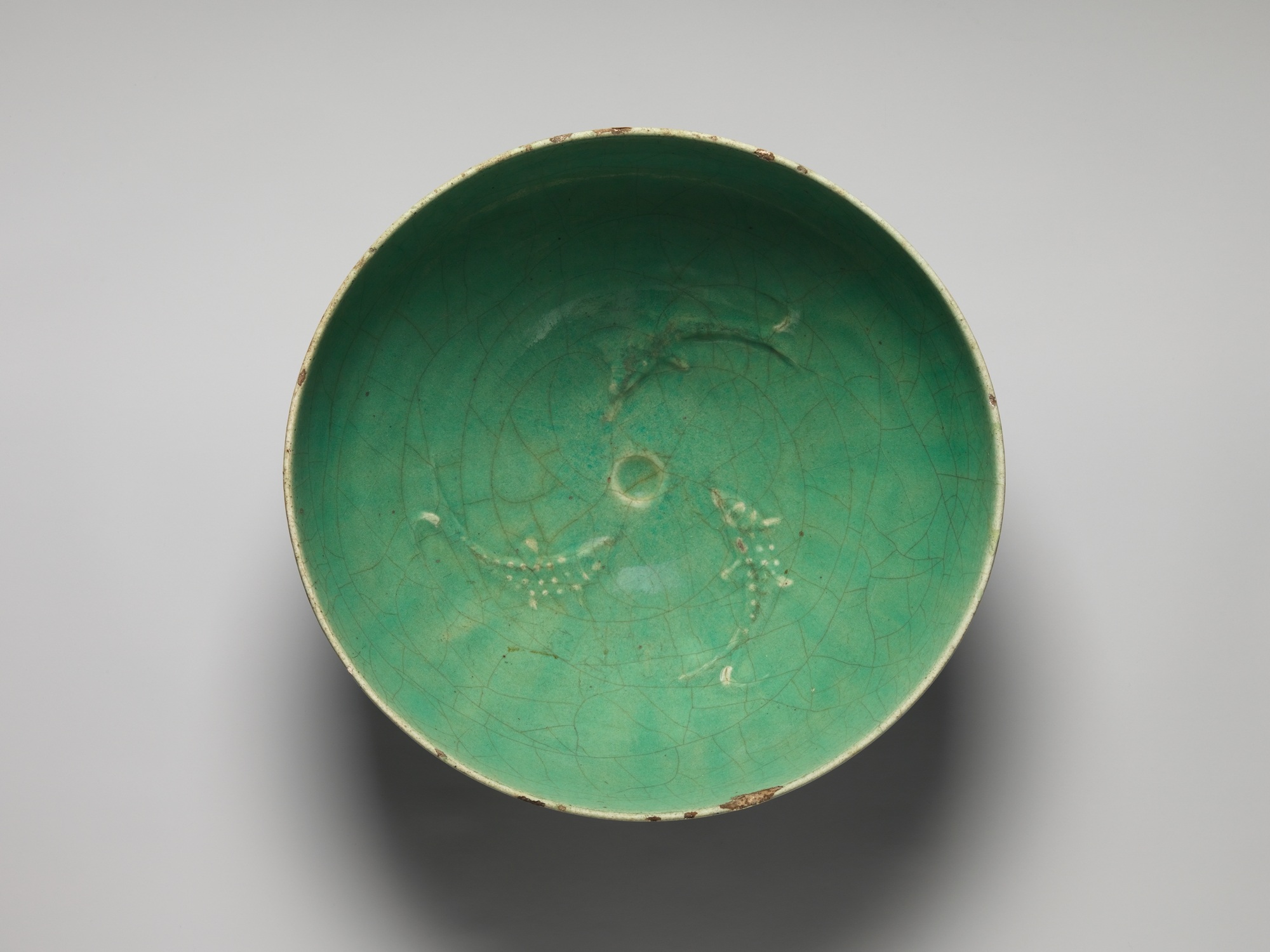
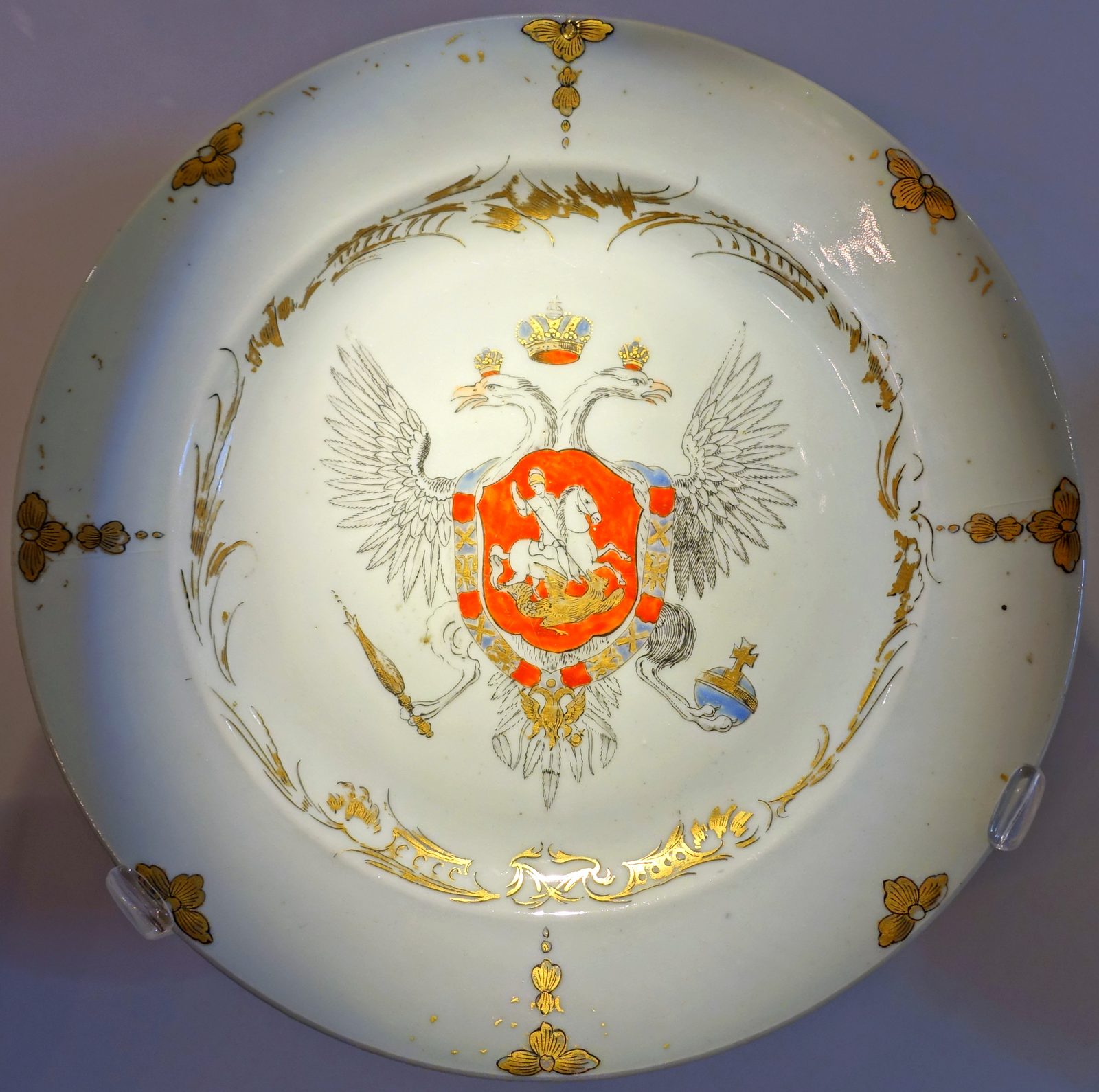
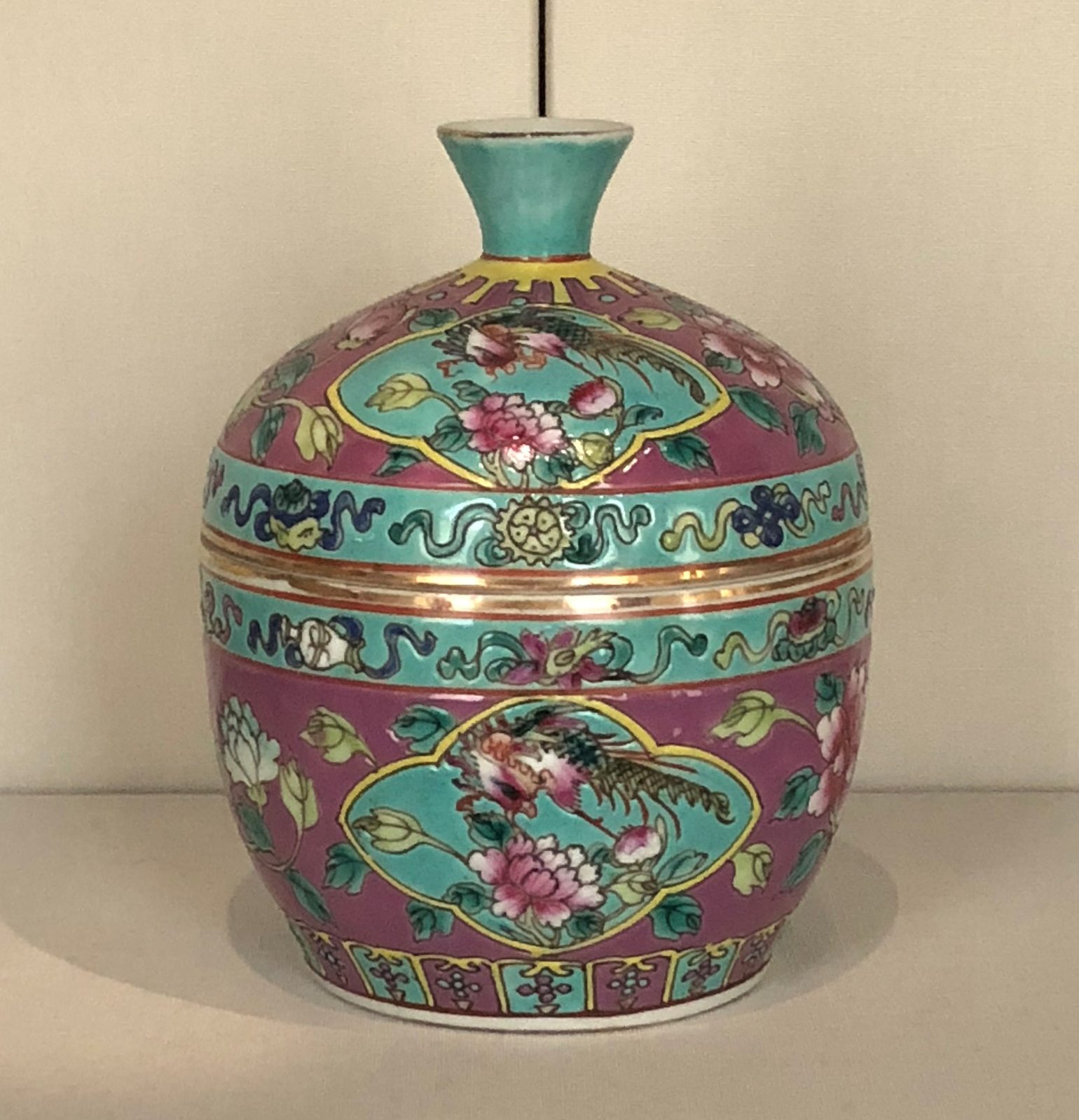
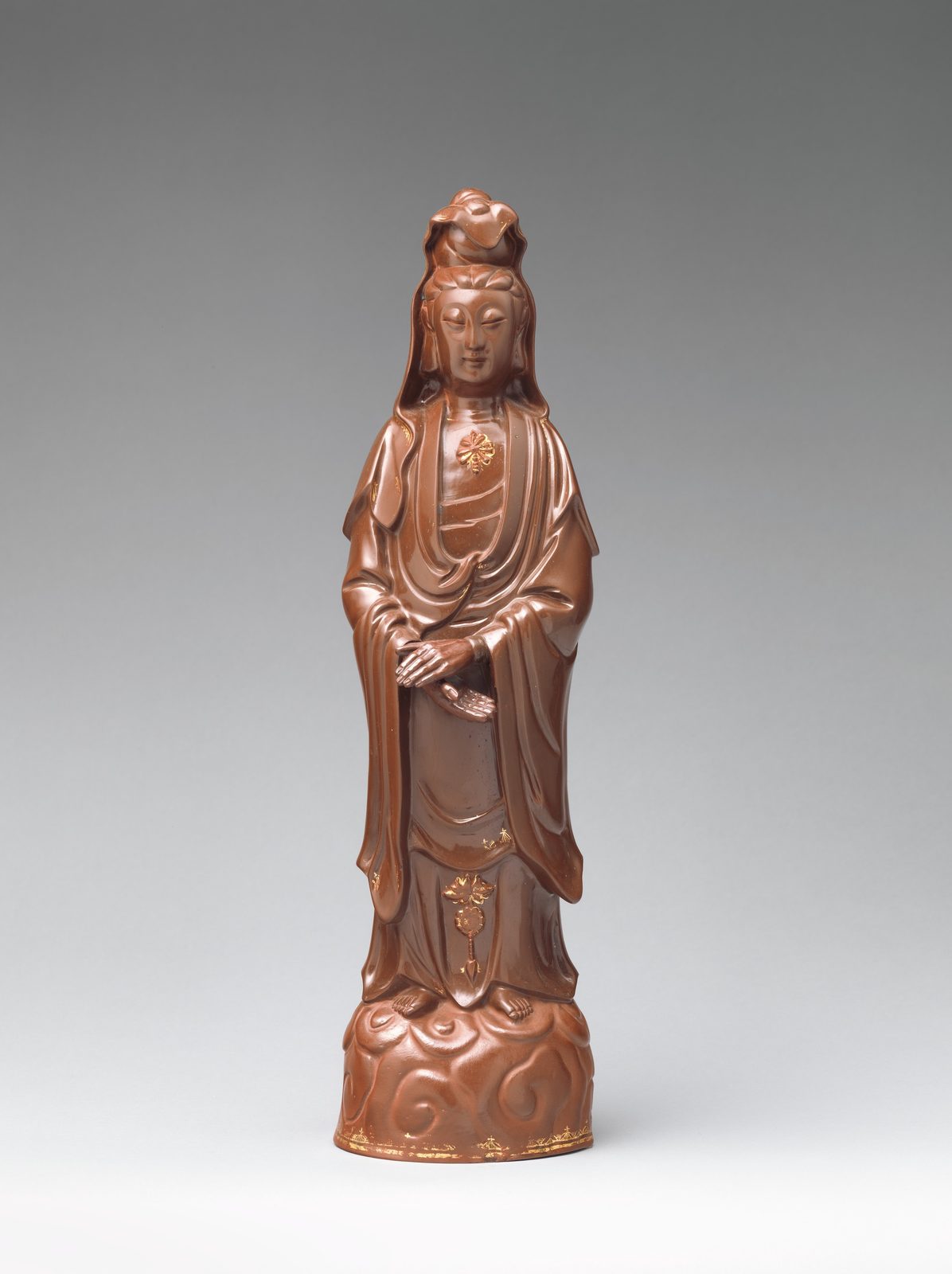
I collected 110 scored core samples and evaluated them based on 18 datasets across three regions, three roles, and two periods, for an ultimate goal of tracing whether cross-regional ceramic fusion continued to intensify from Song-Yuan precedents, or changed its direction. The quantitative result demonstrates that the Ming-era ceramic exchange still bears strong influences from the Middle East and West Asia, while Qing-era exchange shifts toward a direct China-Europe axis.
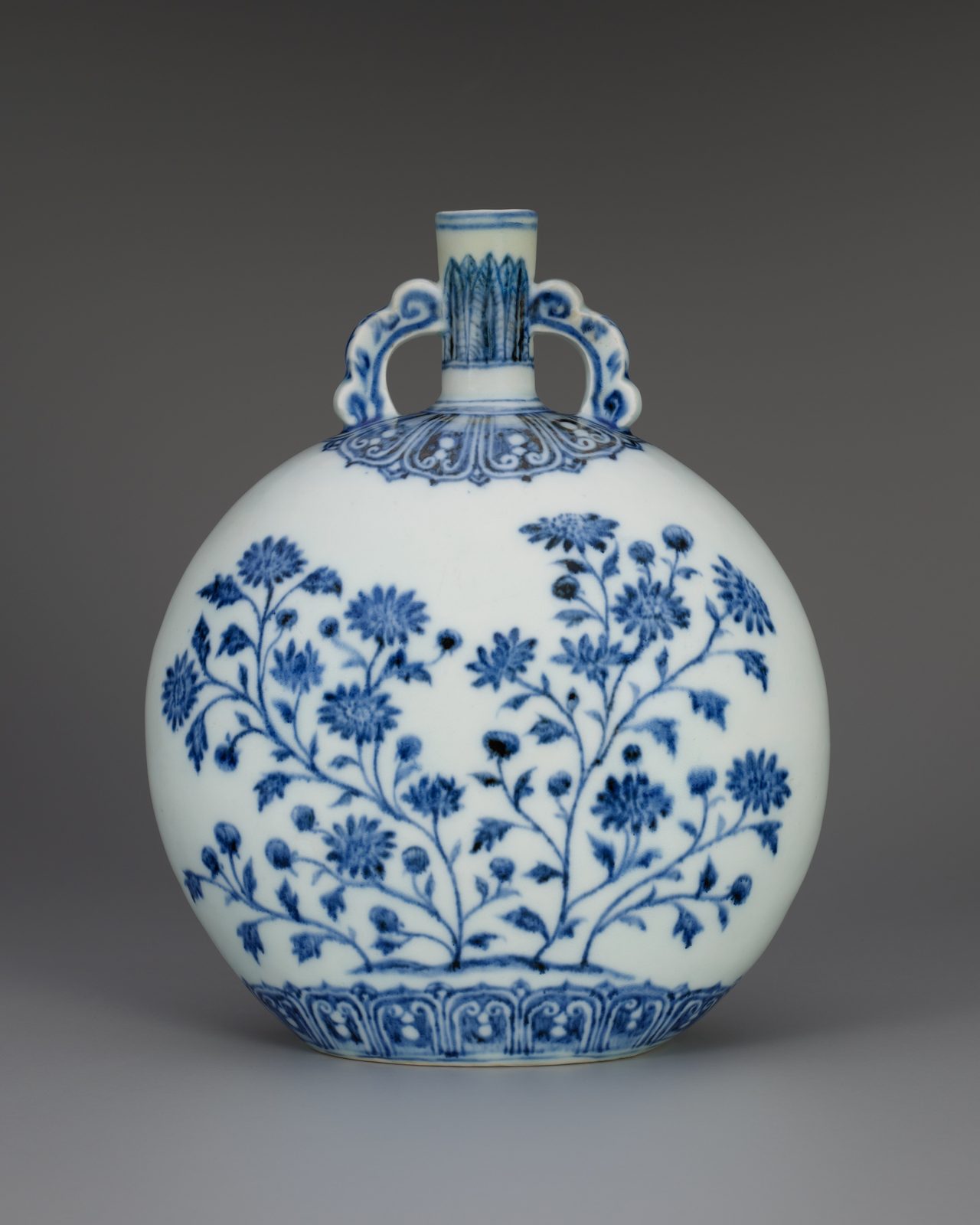
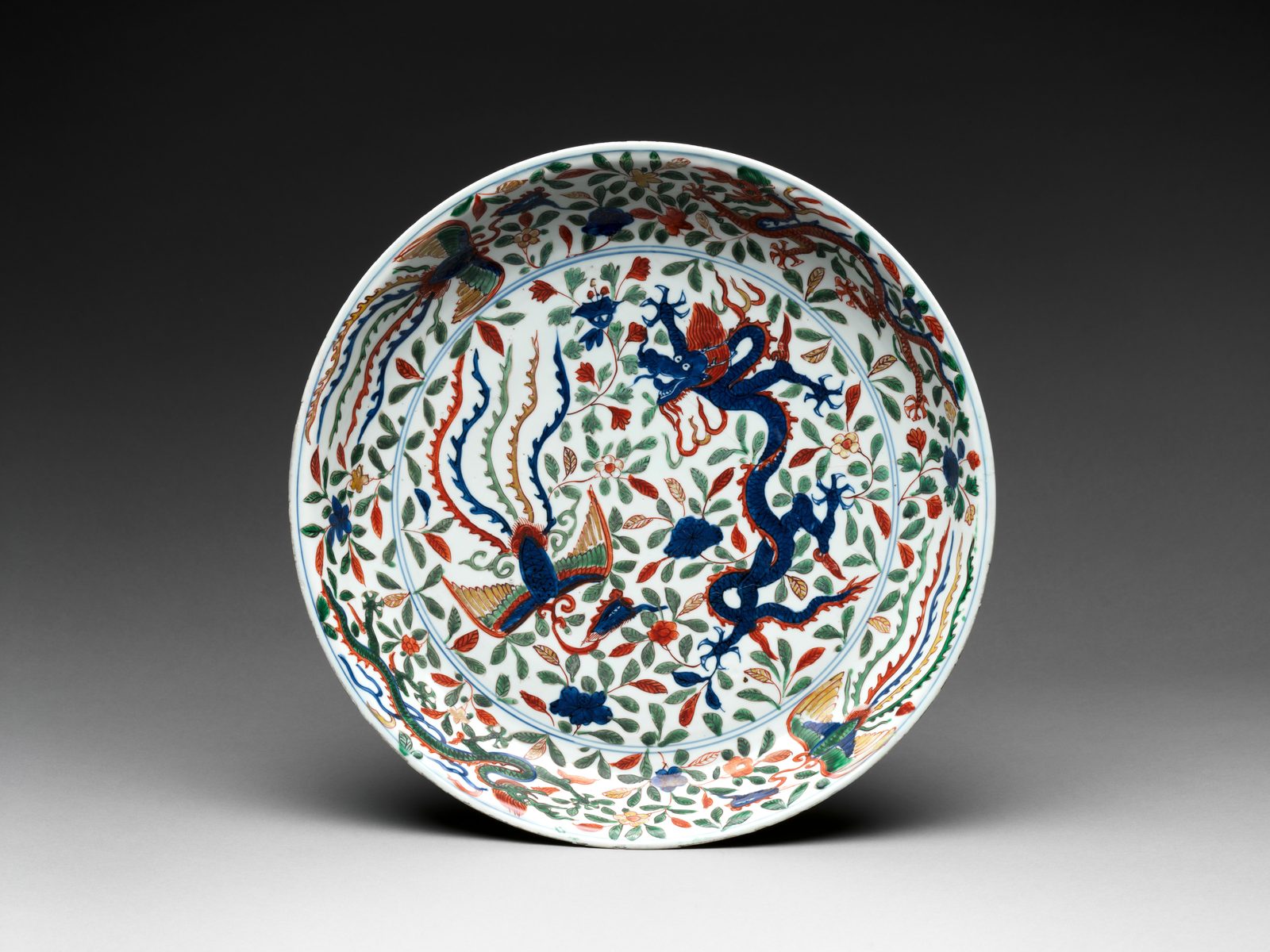
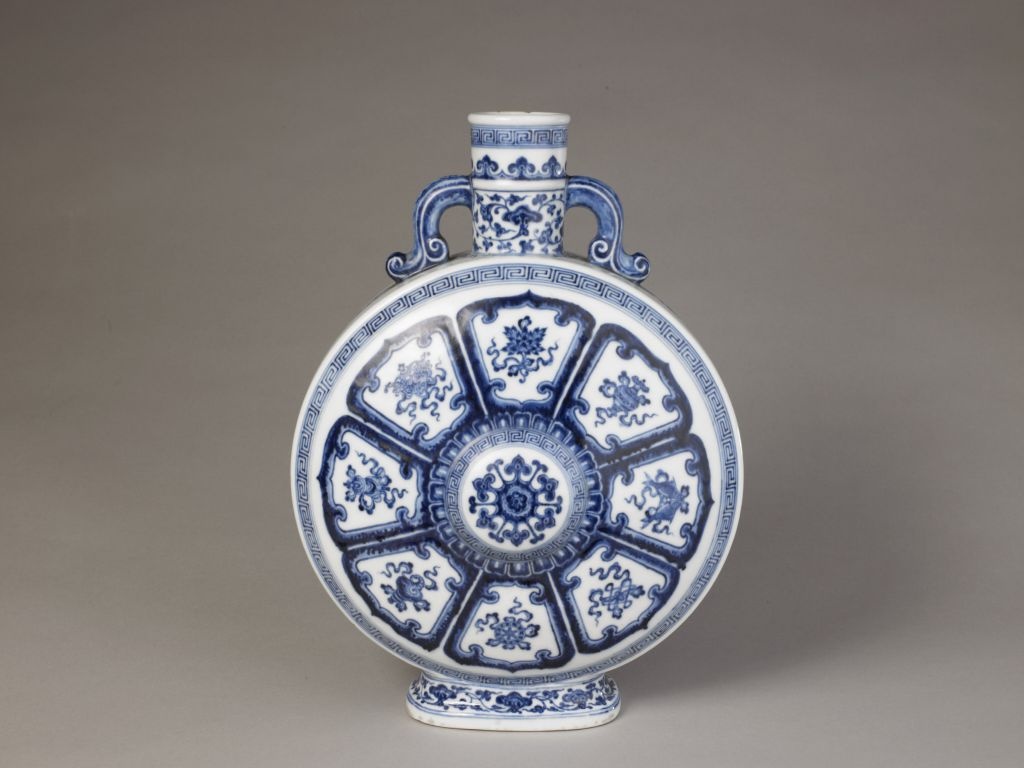
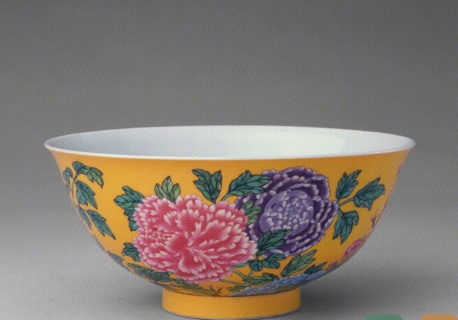
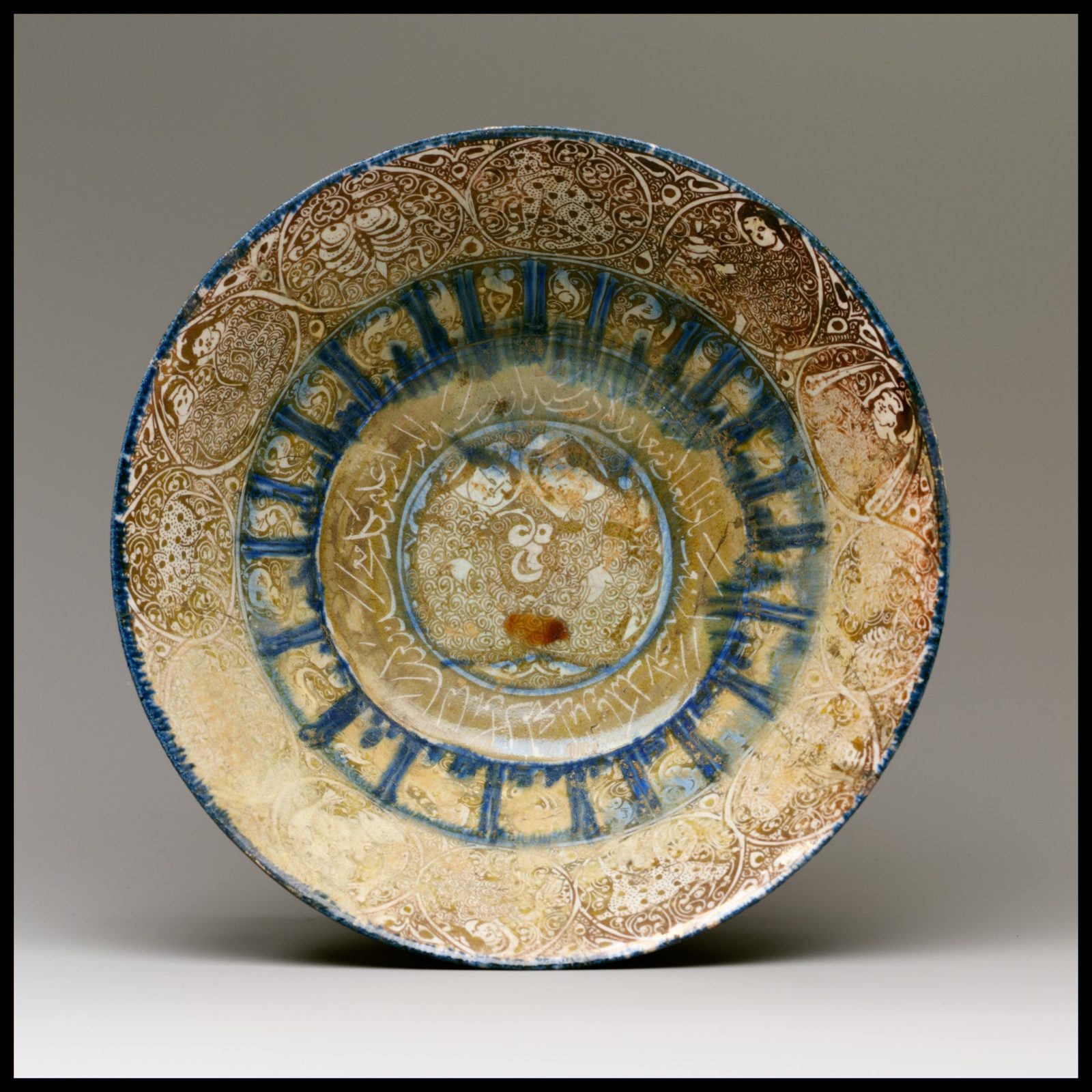
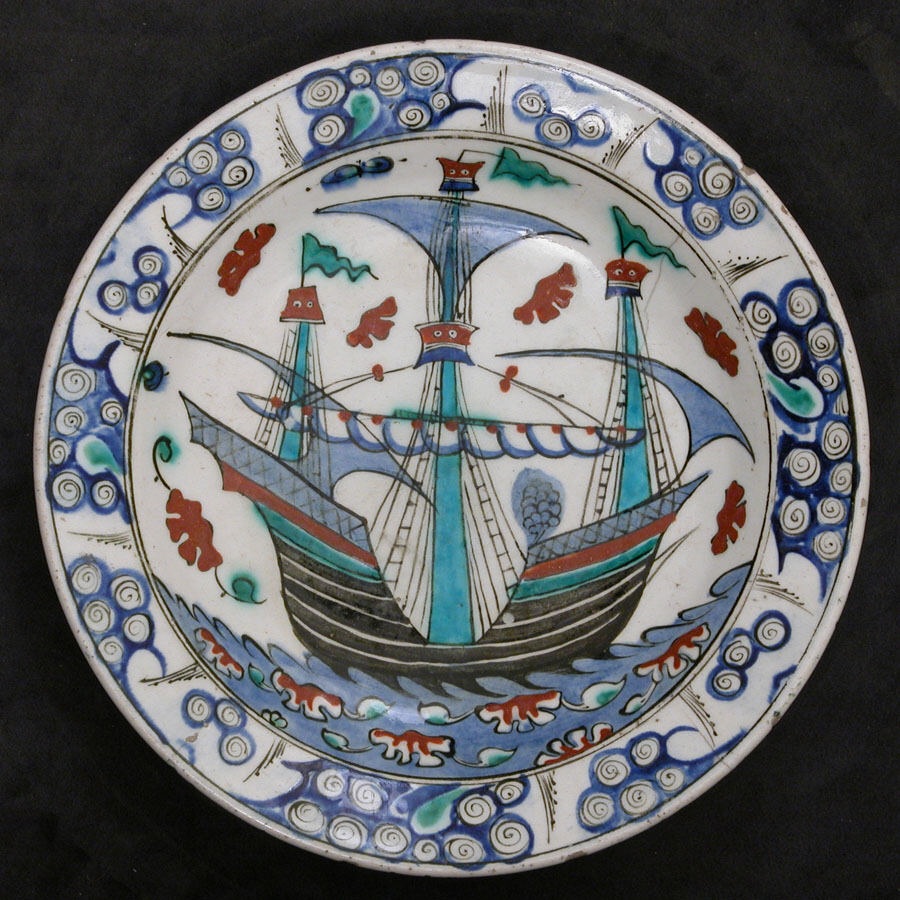
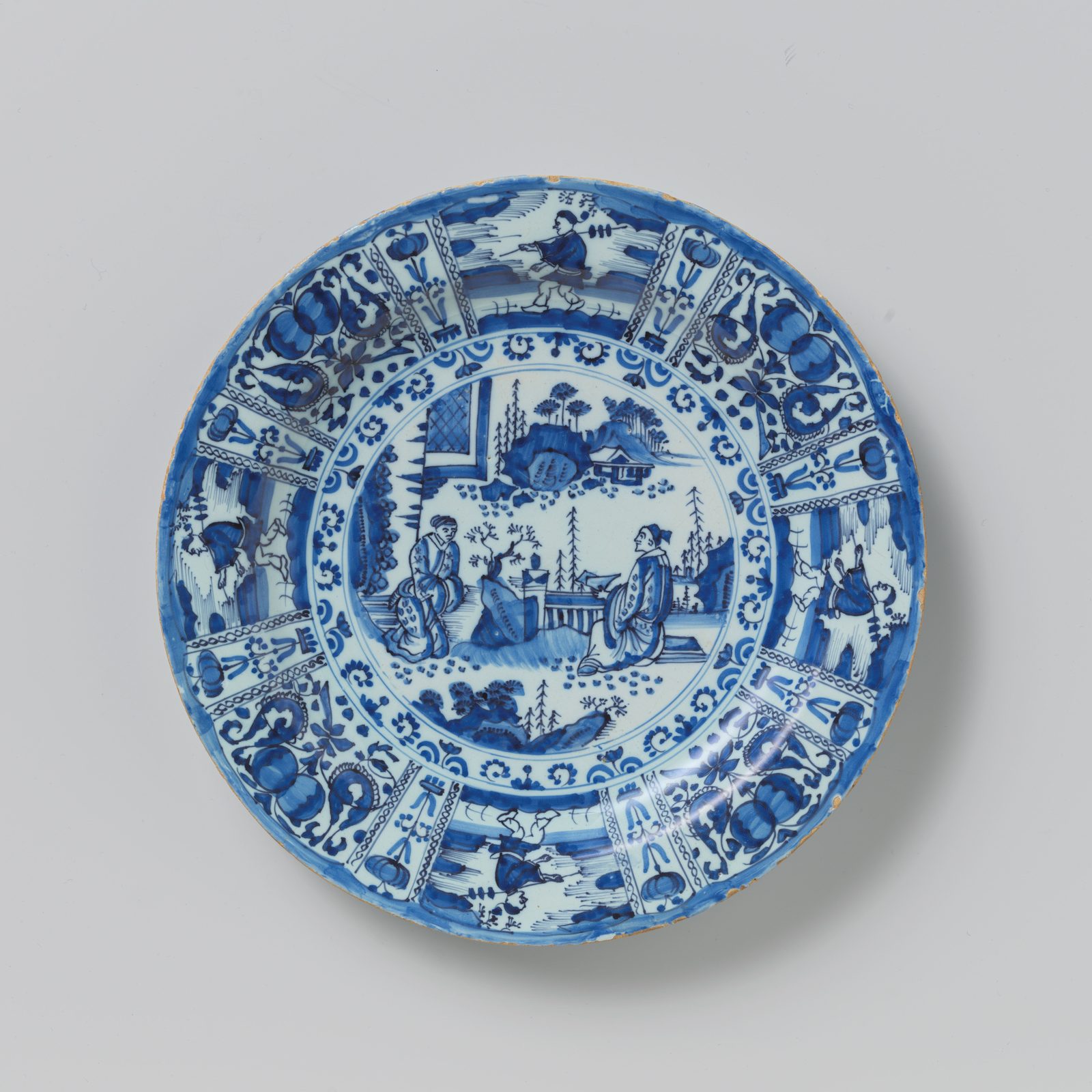
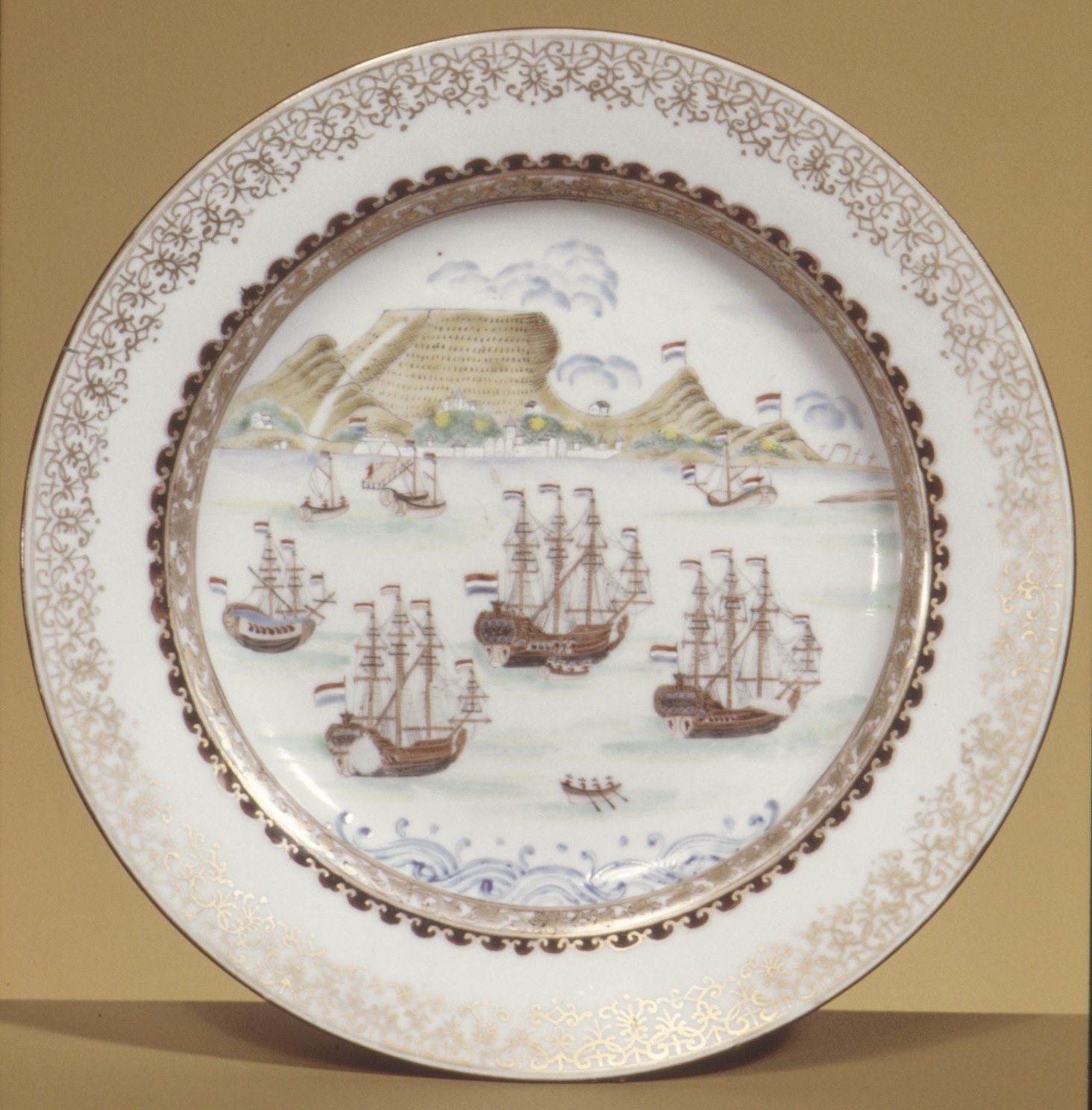
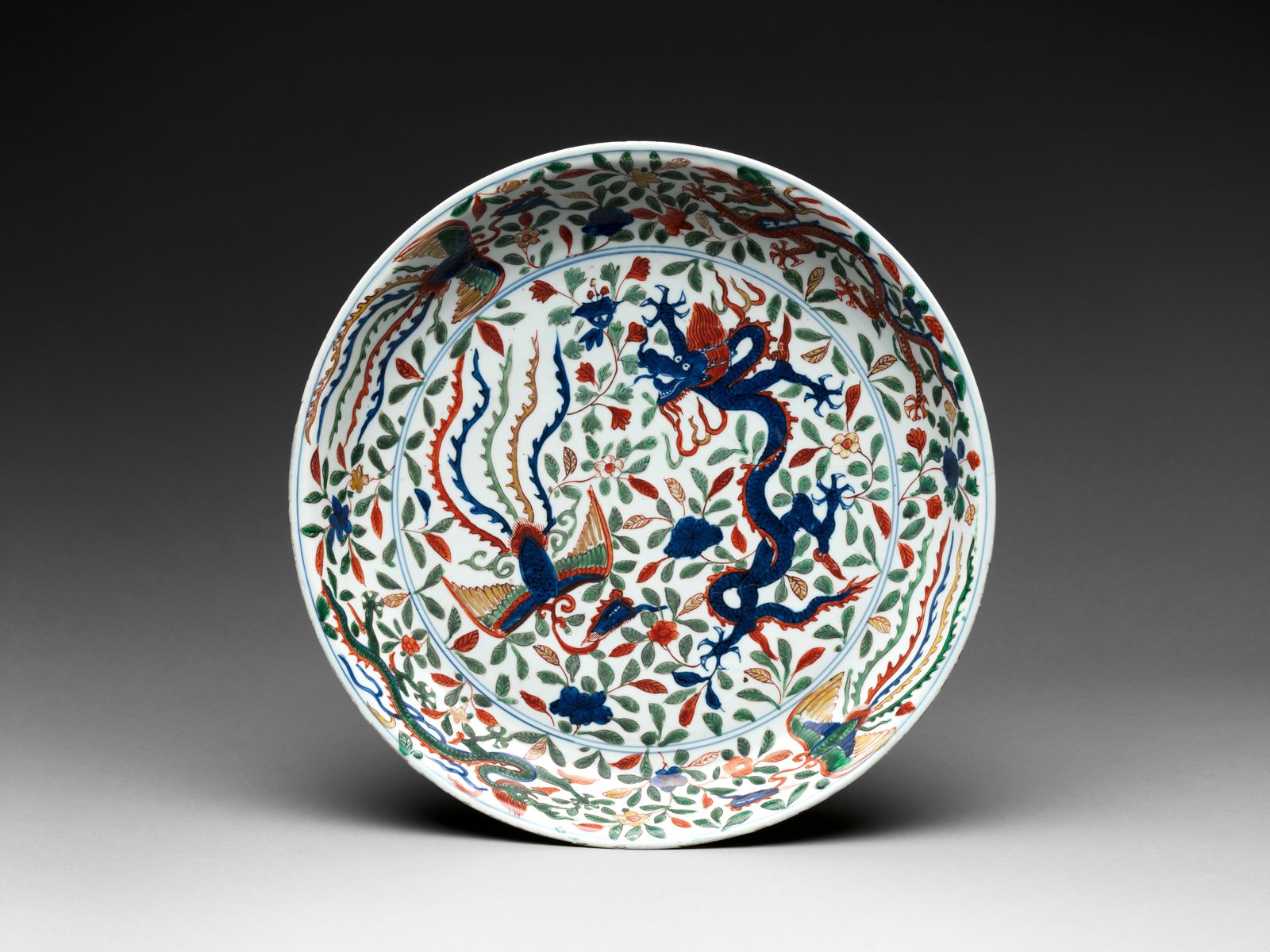
For China, the Ming period shows deep absorption of Islamic materials and forms. Persian cobalt (Sumali blue), Islamic metalwork prototypes such as moon flasks, and arabesque or geometric motifs entered Jingdezhen’s decorating techniques. By the Qing, earlier Islamic elements had been internalized, which incentivized ceramic output toward Europe in products containing Western dining forms, famille rose palettes, rococo compositions through the modern Guangdong province.
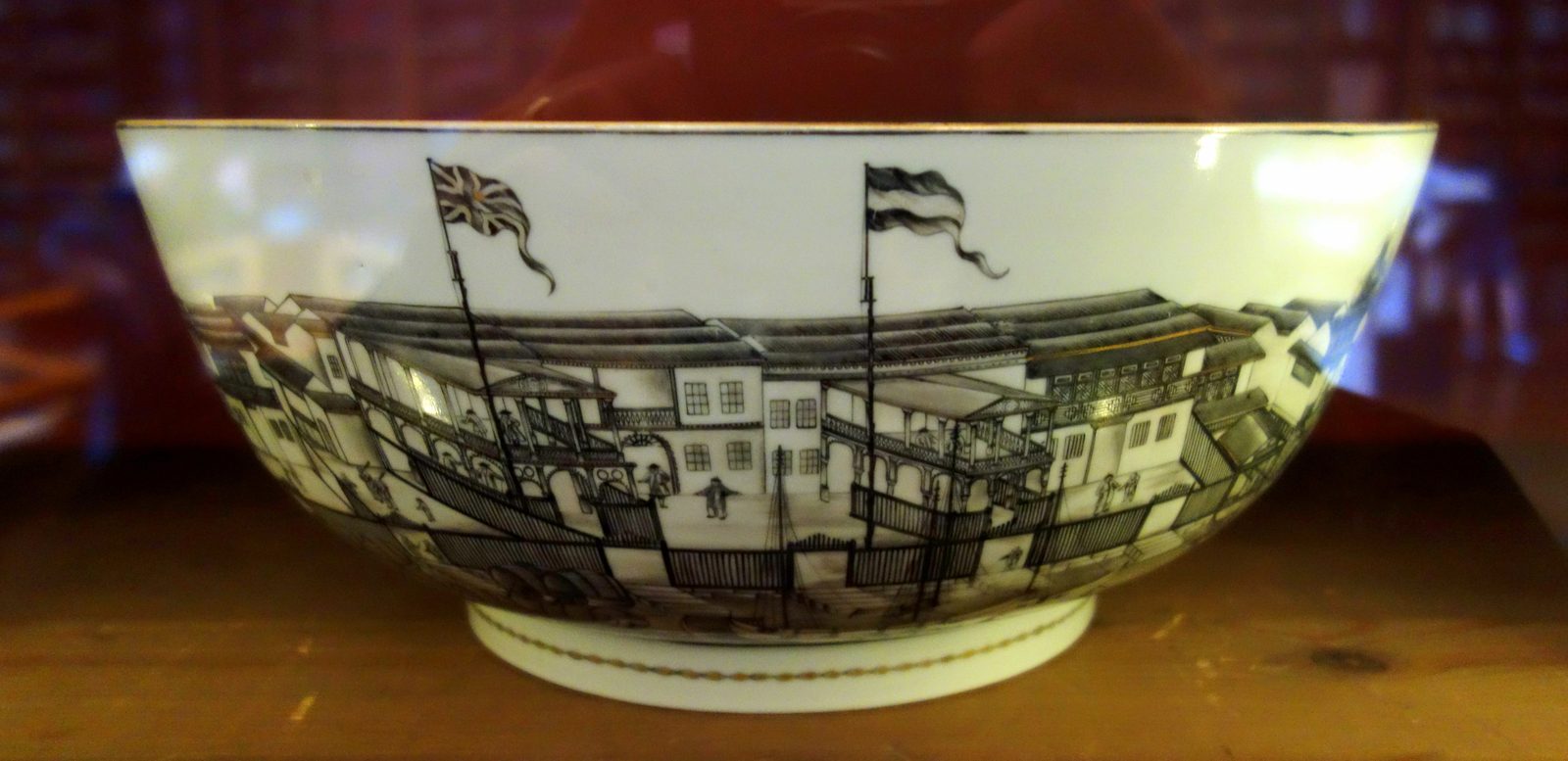
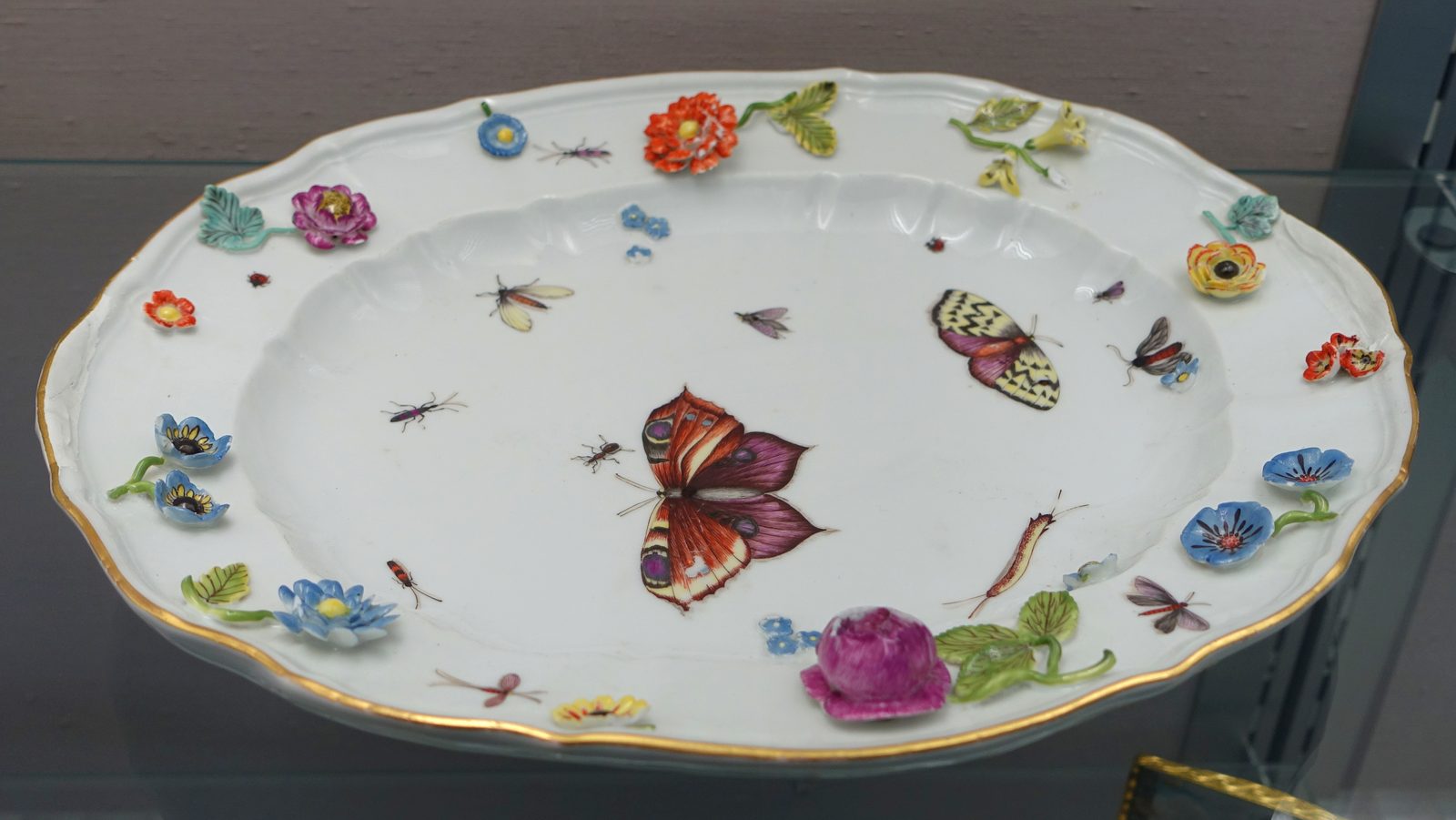
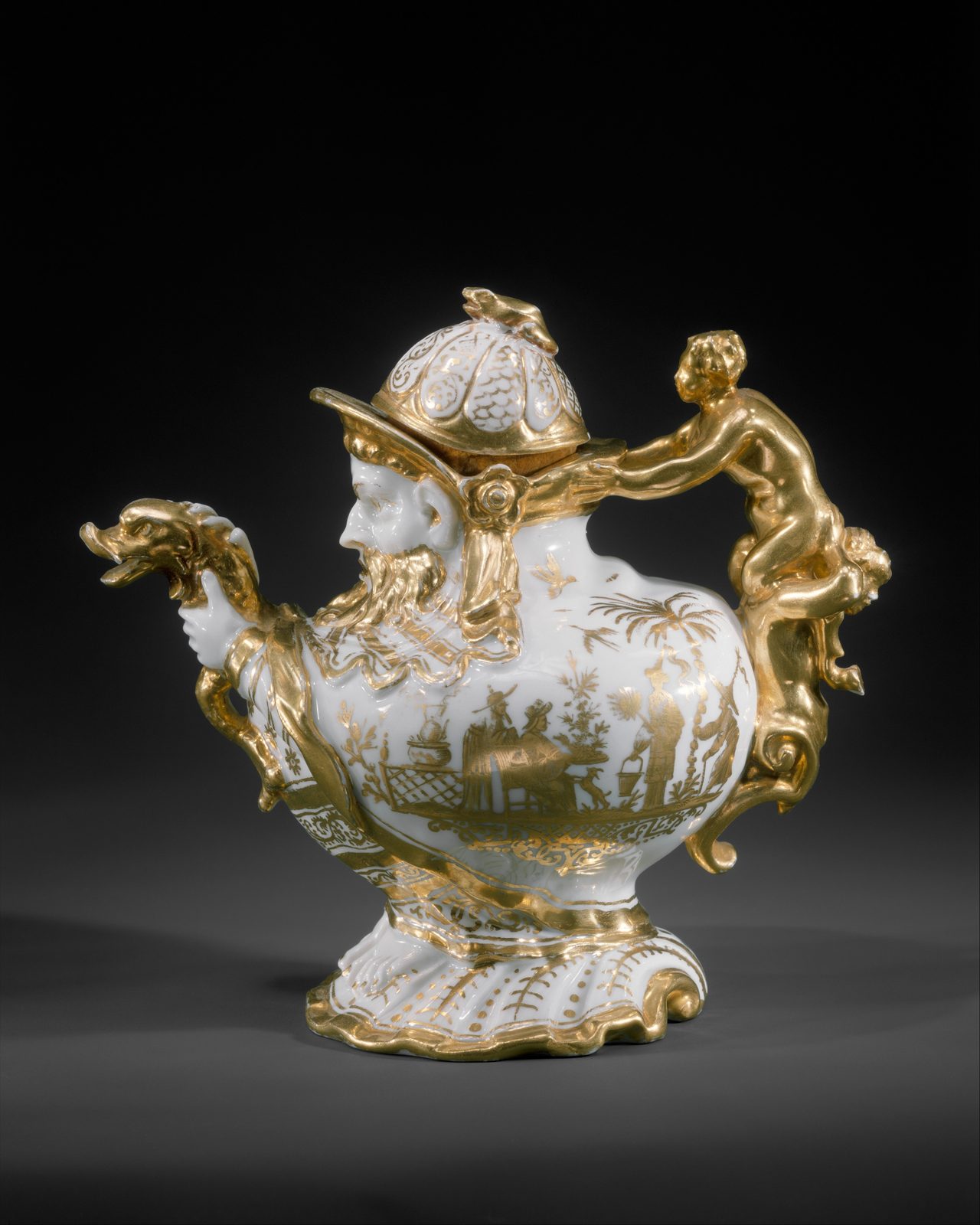
In the Qing dynasty, ceramic exchange underwent a shift: the primary axis of cross-cultural circulation moved away from the historic Middle Eastern/West Asian intermediary network toward direct China–Europe trade. Having fully internalized earlier Islamic stylistic influences, Chinese porcelain production increasingly catered to European tastes, while the Middle East and West Asia lost their historic role as the critical hinge of global ceramic exchange.
 5D lens